Who may be eligible
Buying from GOAT alone does not establish eligibility. The FTC's payment round is limited to people who paid for expedited shipping during the stated period and did not already receive a refund. The agency's GOAT refund page and its listed administrator are the sources to use for questions about a particular payment.
The FTC announced on October 6 that it was sending more than $100,000 in redress to consumers affected by GOAT's shipping and refund practices. The payment round covers 6,205 customers who have not yet received a payment. The FTC also says GOAT directly refunded more than $736,000 to eligible customers in 2025, so the newer distribution is for people who did not receive that earlier refund.
Those figures do not tell you what your own payment should be. Do not trust a social post, forwarded screenshot, or message that promises a fixed amount. The official page does not say that every GOAT customer, or every person who paid for shipping, will receive money.
How the payment may arrive
Most recipients in this round will receive a check in the mail. Some will receive a PayPal payment, according to the FTC.
If you receive a check, cash it within 90 days. If you receive a PayPal payment, accept it within 30 days. Those deadlines come from the FTC's GOAT refund page, so use the payment notice and current official page together if the details seem unclear.
For questions about this program, the FTC lists JND Legal Administration at 1-888-970-2410. Do not rely on a phone number in an unexpected text, email, or direct message. Open the FTC listing yourself and use the contact information shown there.
The presence of PayPal does not automatically make a notice fraudulent. The FTC's refund FAQ says programs may use checks, prepaid debit cards, PayPal, or Zelle depending on the case. A legitimate payment notice should identify the program and payment company and provide a way to ask questions.
Five checks before responding
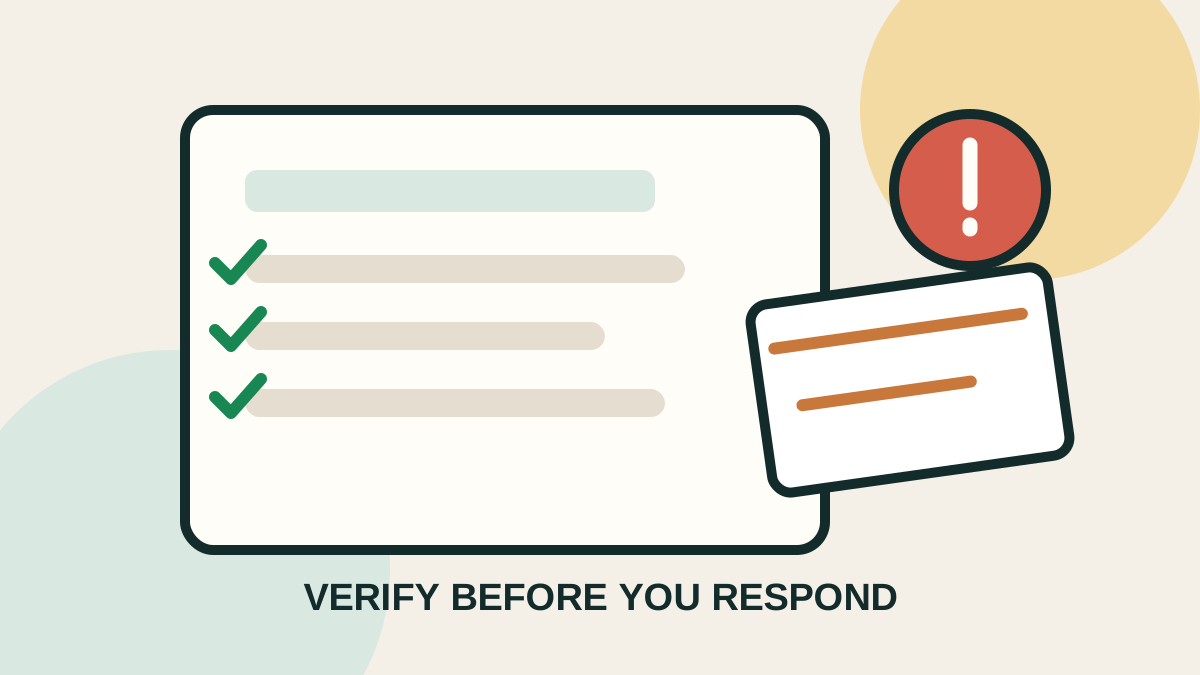
- Type ftc.gov/refunds into your browser instead of clicking an unsolicited link.
- Open the GOAT refund listing and compare the program, payment method, administrator, and deadline with the notice.
- Stop if anyone asks for a processing fee, gift card, cryptocurrency, password, one-time code, Social Security number, or bank-account information.
- If details do not match, call the administrator using the number listed on the FTC page. Do not reply to the message that contacted you.
- Keep the notice and related GOAT order records until you resolve the question.
The FTC says it never requires people to pay upfront fees or provide sensitive information to receive a refund. A scammer can copy the FTC's name, use a GOAT logo, or send a convincing payment screenshot. None of those details proves that a notice is genuine. Independent verification is the useful test.
What if no payment arrives?
No payment does not prove that a later offer is real. The FTC's published information describes a limited payment round, not a promise to every GOAT customer. Start with the official GOAT refund page and the refund FAQ rather than search ads, social posts, or anyone offering to unlock a payment.
If you received a notice that appears genuine but need help, use JND Legal Administration's contact information as listed by the FTC. If the sender asks you to pay or provide sensitive account information, stop and verify the program independently.
The practical answer is simple: your purchase may fit the FTC's stated window, but GOAT purchase history alone does not confirm eligibility. Check the official listing, watch the 90-day check or 30-day PayPal deadline, and remember that receiving an FTC refund should not cost you anything.
Sources
- Federal Trade Commission, GOAT Refunds, rechecked October 20, 2026.
- Federal Trade Commission, redress payment announcement, October 6, 2026.
- Federal Trade Commission, Refund Programs FAQ, rechecked October 20, 2026.